The Letter to the Philippians
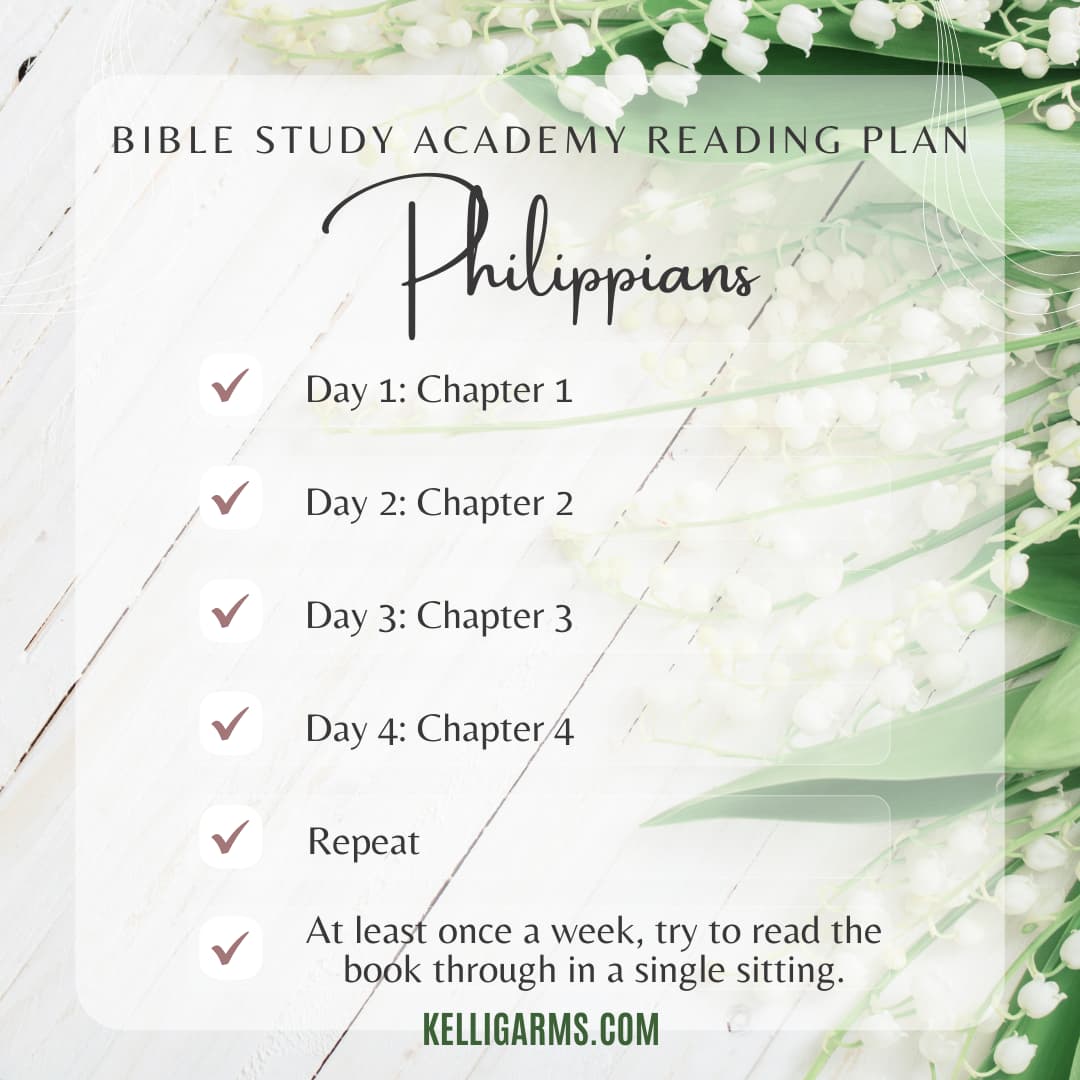
Reading Plan
-
- Day 1: Chapter 1
- Day 2: Chapter 2
- Day 3: Chapter 3
- Day 4: Chapter 4
- Repeat
- At least once a week, try to read the complete book in one sitting
On days when you have time to read more, do it. This isn’t about checking it off a list; it is about soaking it up. The goal is to read the book through as many times as possible in the month. Read different translations. Listen to an audio version. Switch things up.
How To Read the Book
For your first reading through the book, just read. Use a notebook to write down anything that strikes you, but focus on reading for comprehension.
During subsequent readings, look for:
-
Repeated words or phrases
-
Themes
-
Connections to other books you’ve studied
-
Imagery
-
Attributes of God, Christ, and/or the Holy Spirit
Keep in mind that the headings, and the chapter and verse breaks were not in the original text.
Outline
There are many different outlines of the book of Philippians floating around, but I wanted to keep it simple, so this is the one I chose from the Bible Handbook from Daily Grace Co.
- Chapter 1: Thanksgiving
- Chapters 2-3: Christ
- Chapter 4: Exhortation
Let me know what outline you’re working with as you study the book.
Bible Study Workbook
If you struggle to know how to study the Bible, this workbook will help you by giving you step-by-step instructions. This is NOT the only way to study the Bible, but it is the process I have used for many years. The goal is to read through the book of Job all the way through a few times and then slow down and focus on specific passages that caught your interest. That will be when the workbook will be most helpful for you. Click the button below to download it if you haven’t done so.
*If you would like to share this workbook with your friends, please use this link instead: https://www.kelligarms.com/bible-study-workbook/
As you begin reading the book, here are some things to keep in mind:
Historical Context
I would like to recommend that you take some time to read Acts 16 to get some background on the church at Philippi. This chapter of Acts tells the story of how the church was planted including some people who were probably part of that first congregation.
The letter to the church in Philippi was written by Paul while he was in prison, most likely in Rome. Philippi was a Roman colony on the Egnatian way, an important Roman commercial road. It was an important city for Paul as it would facilitate the spread of the Gospel through Europe as people from all of the corners of the continent would pass through the city.
This church was Paul’s first church plant in Europe, and we can find the account in Acts 16:11-40. The original plant was made up of women (who apparently were still playing a big role in the life of the church at the time Paul wrote the letter), including Lydia, Paul’s first convert in Europe. The congregation may have also included a slave girl who had been possessed by a demon, the jailer and his family, and other men who were imprisoned with Paul and Silas at the time of the great earthquake.
Philippi is an incredible example of how the Gospel is an equalizer. No matter your gender, your age, or your position in life, you have a place where the Gospel is preached and lived out!
Literary Context
The book of Philippians is a Pauline epistle or letter and thus includes many of the features of a letter from this time period and other Pauline letters included in Scripture. These include a salutation, thanksgiving, prayer, body, exhortation, greeting, and benediction.
This particular letter has also been called an example of a missionary support letter. Paul not only thanks the Philippians for their support and care of him and for sending Epaphroditus to minister to him, but also updates them on his situation much like missionaries do with their supporting churches.
I am including links to a video teaching and a blog post that might help you as you read through this genre of literature.
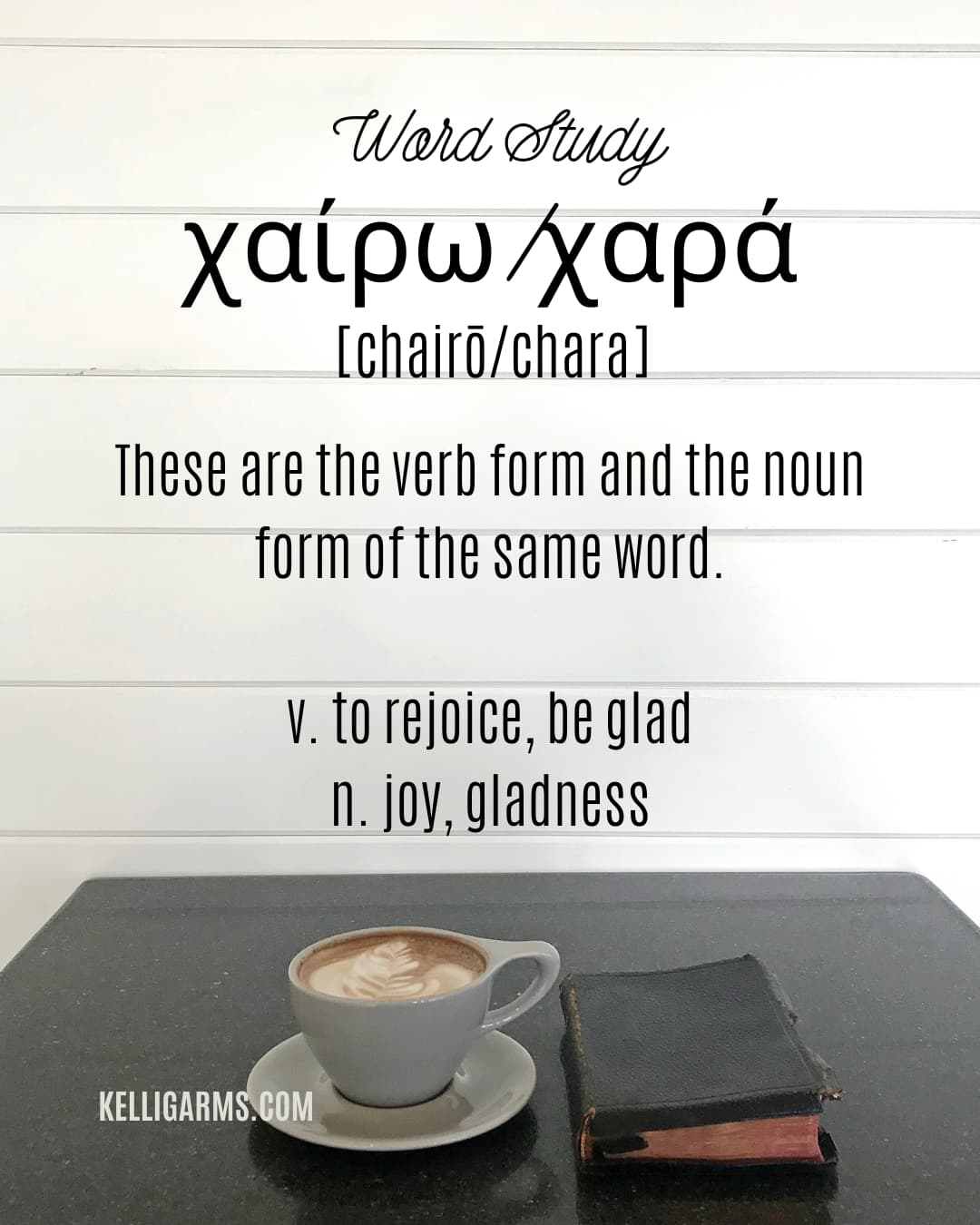
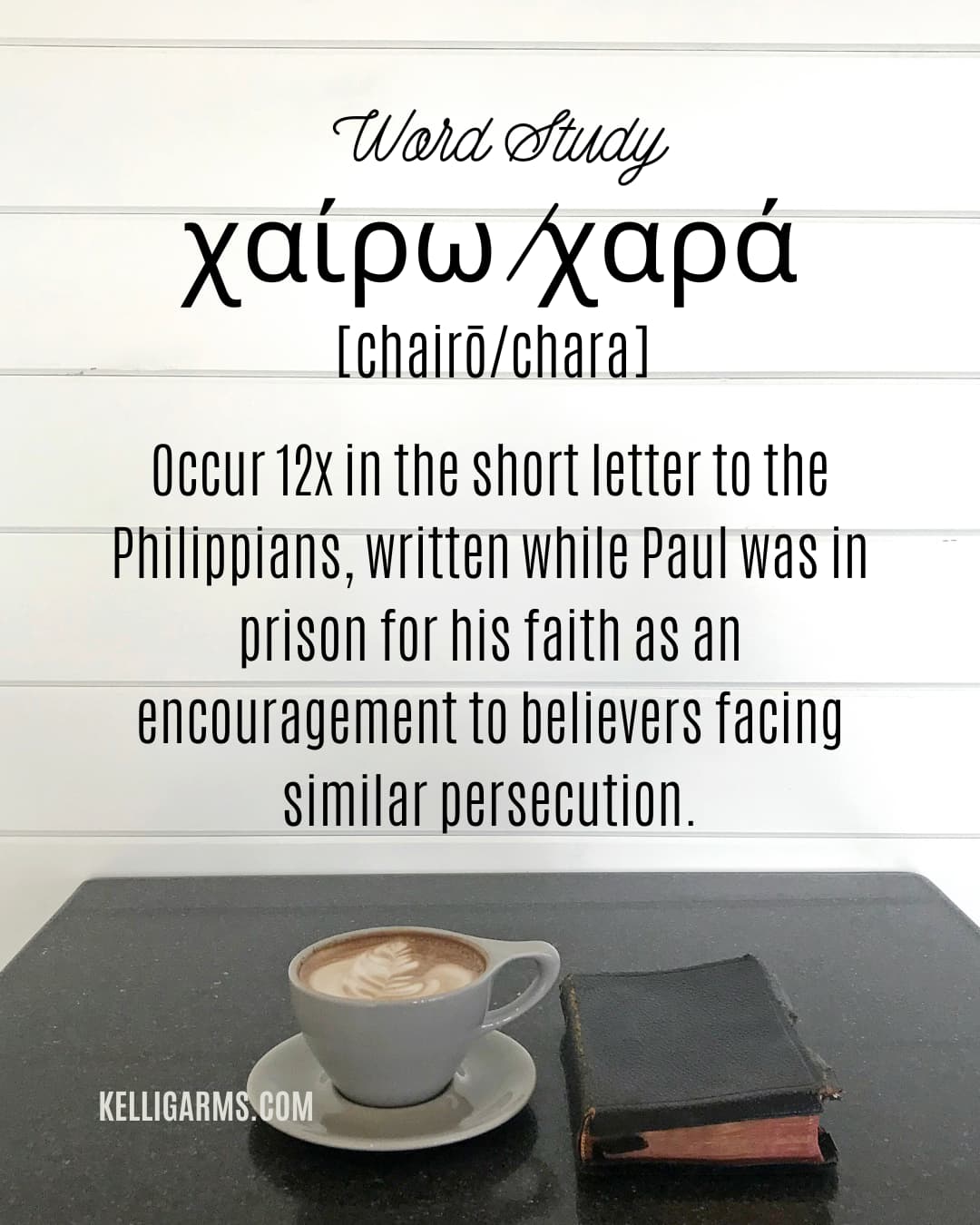
Word Study: Joy/Rejoice
One of the themes of the letter to the Philippians is “joy” or “rejoice.” When we consider the historical context of this book, what an encouragement it should be to us who, at least for the time being, live in a free country where we can worship God, read and study the Bible, and share Him with those around us!
The Metanarrative of Scripture
There is an overaching theme to the Bible. Each time you study a passage or book, you should look for how it fits in to this theme or metanarrative. To watch a teaching on the metanarrative of Scripture, click the button below.
Scripture Memory
This month we will be memorizing Philippians 2:1-11. I pray this is a passage that comes to mind over and over as we face the craziness of this world.
I created a PDF so you can print out the verses to use as a reference. They are in the ESV, but I am happy to create one in whatever version you would like to memorize. Just let me know, and I’ll get it right to you. You can click the button below to access the PDF.
I’ve written this blog post to help you understand why it is important to commit Scripture to memory and give you some tips for how to do it.