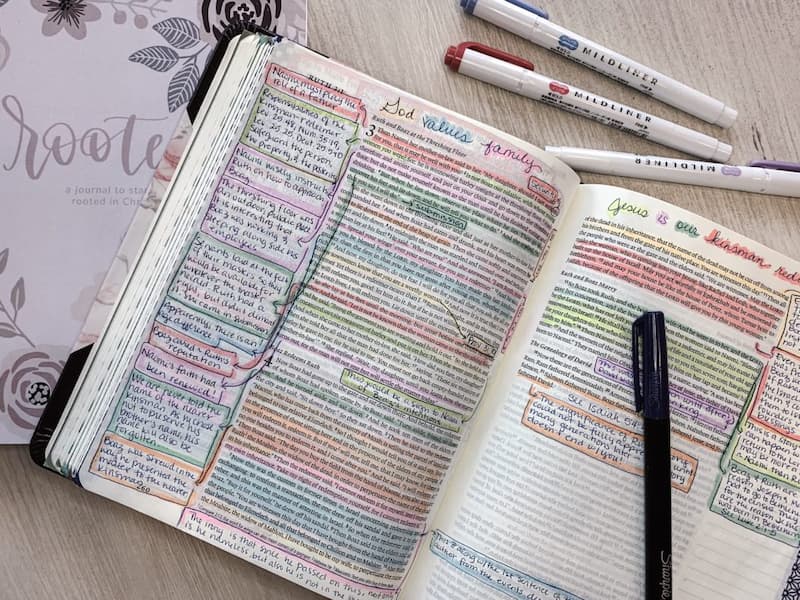
I’ve had a lot of people ask how I come up with the notes I write in my Bible. I felt a video would be a better way to show this. Although, I switch my resources up, the system I use stays consistent.
Feel free to drop any questions you may have in the comments, and I would love to know if you implement this study method!
August of 2017 was a hard month. That is when my dad passed away after battling Alzheimer’s. That disease tested our faith, tugged at our family bonds, and triggered hard questions.
In early September, we scheduled a cruise. I was looking forward to getting away from everything, relaxing, and returning refreshed. As soon as we stepped foot on that boat, we were notified of schedule changes due to a looming hurricane. Irma did impact our vacation by cutting our cruise short and stranding us for several extra days.
I tried very hard to stay positive and encourage my husband and kids, but I distinctly remember a moment when I looked up to the turbulent clouds, threw my hands up, and said, “Really, Lord?? You couldn’t give me this one little thing??”
You might be nodding right now, feeling my frustration, and agreeing with my outburst. But I can’t tell you how many times that memory has haunted me over the last couple of weeks as I studied Acts 16.
Paul and Silas were illegally seized, beaten, and thrown in prison. They were placed in the most secure part of the prison with their feet in stocks. They were sitting in a dirty room with open and bleeding wounds all over their backs, legs, and arms. I’m sure everything hurt.
They had been doing God’s work. They were imprisoned because Paul freed a slave girl from a demon. But when they were thrown in prison, they didn’t ask “Why, God?” Instead, they spent their time praying and singing praises to God for all the other prisoners to hear.
Acts shows us there was a purpose for their pain: the jailer and his whole family began their relationship with Christ that day.
I don’t know what you’re going through, and I don’t believe it is wrong to ask God why, but even if He doesn’t show you immediately, be encouraged by the fact that there is purpose for our pain.
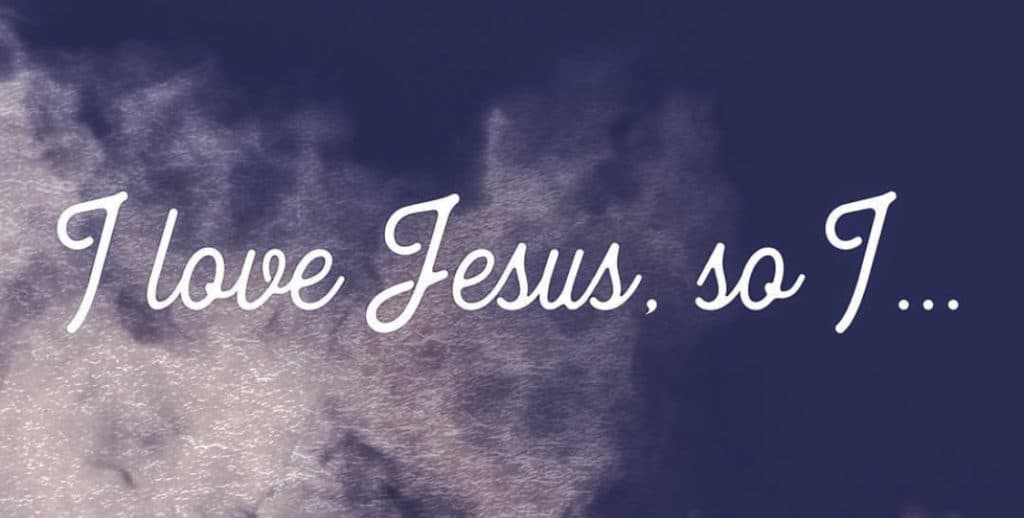
Michelle Myers spoke on this at the She Works His Way Narrow conference, and I’ve seen it “trending” on social media. I love Jesus, but I… I love Jesus, but I gossip. I love Jesus, but I tell white lies. I love Jesus, but I… (plug in your sinful activity here).
I think the idea behind this is authenticity. As sinful creatures, we will struggle our entire lives, and we want others to know they are not alone. But… that little conjunction “but” carries a different meaning. (Excuse me while I geek out a bit on grammar.)
That conjunction “but” does two things in this context:
First, it tells me that what is coming does not reflect what was just said. Think about that for a minute. “I love Jesus, but I gossip” tells the listener that the speaker acknowledges that gossiping is not a reflection of loving Jesus, but it is, in fact, the opposite.
Second, it tells me that what is coming is MORE IMPORTANT than what was just said. “I love Jesus, but I gossip” means that gossiping has a higher priority than my love for Jesus. Let that sink in. My love for Jesus does not trump my desire to sin. Ouch!
As believers, we must be careful with our words. Instead of “I love Jesus, but I gossip,” we should be saying “I love Jesus, so I strive to stop gossiping.” The end should reflect the beginning. Our lives should reflect our love for Jesus. We can do this and still be authentic in our struggles.
Replace your “I love Jesus, but I…” with “I love Jesus, so I…”
When my dad was diagnosed with dementia and we started to see the effects of Alzheimer’s take over his mind, I realized I had been operating under an incorrect theology.
My dad was a missionary kid, missionary, Bible college professor, and pastor. He was very intelligent, financially savvy, and good with words. When he was diagnosed with dementia, and we watched Alzheimer’s take him away from us, I was so angry. It just wasn’t fair! This is the thanks he gets for dedicating his entire life to serving the Lord?! That is when I realized my theology was wrong. I was operating under the assumption that checking all the right boxes guarantees a happy and blessed life.
The truth is, blessing does follow obedience, but it doesn’t always look like we expect. In fact, the blessings in our lives have nothing to do with who we are or what we have done. The blessings in our lives are based solely on who He is. I haven’t earned any of the blessings in my life. I don’t deserve any good that comes my way.
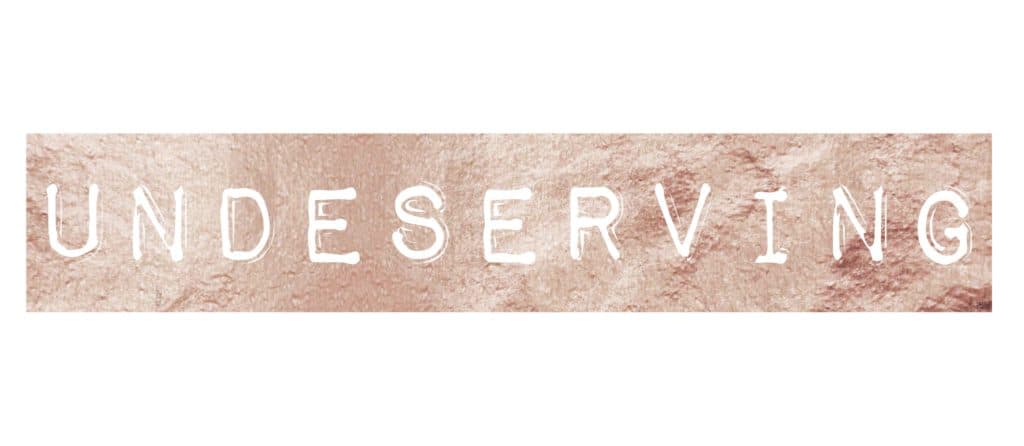
It made me realize that as much as I criticize the entitlement displayed by our society today, that is exactly how I was operating. Therefore, my word of the year in 2019 is…
UNDERSERVING
I want to be reminded that God loves me because of who He is, not because of who I am. He loves me because of what He has done, not because of what I have done.
As believers, we know we need to read the Bible. I remember songs I sang as a kid to remind me to “read your Bible, pray every day, and you’ll grow, grow, grow.” Oftentimes we just don’t know where to start. Do I look up a topic in the concordance and read all the passages it lists? Do I start in Genesis and work my way through to Revelation (knowing full well I won’t get past Leviticus)? Do I close my eyes, open my Bible, and point to a passage, “letting the Holy Spirit guide my study”?
Throughout the years, I have come across many study tools to help me with not only reading my Bible, but also applying it to my daily life. I have taken what has worked for me and implemented it in my study time. I pray these tips will ease some of the pressure and frustration when it comes to reading your Bible.
Tip 1: Prepare to hear from the Holy Spirit.
Don’t approach this time as merely an opportunity to check off a box on your “to do” list but as a time to learn about Who God is.
Find a place away from distraction (keep a pen and paper handy for the thoughts that won’t let you concentrate).
Pray the Holy Spirit will calm your mind and show you what He has for you today. Not every day will bring an earth-shattering revelation, but as your knowledge builds, those moments will happen.
Tip 2: Read/study through a book of the Bible.
You don’t have to start in Genesis, but you should choose a book to work through from beginning to end so you aren’t pulling verses out of context to suit your needs.
If you are a new believer and want to get a handle on what Jesus taught, I recommend starting with the book of John.
If you are a “seasoned” believer and want to know more about a practical faith lived out, I recommend the book of James.
If you want a short book just to get your feet wet, the Epistles or some of the minor prophets in the Old Testament would fit the bill.
Honestly, you can’t go wrong here. Just choose a book and work your way through it.
Tip 3: It doesn’t have to look a certain way.
Choose a time of day that works for you. When is your mind sharpest? When do you do your best learning?
Begin reading and stop when you feel led. You don’t have to read a whole book, chapter, or even paragraph in one sitting. There are some short sections that take a while to fully unpack.
Don’t think you must have the “right” Bible, the best pens, or the brightest highlighters to get started. Just start.
Tip 4: Find a guide to help with personal application.
If all you can do is read your Bible, then do that. But if you want to dig a little deeper and see how the Bible, a book that was written so long ago, applies to your life today, ask some questions.
I have found many lists throughout the years, so I know you can search them out for yourself, but here are a few I like to ask:
What is happening in the passage? (I like to write it out in my own words.)
What is God teaching me about Himself? Which attribute does this passage demonstrate? (Do a search for the attributes of God if needed.)
What is the spiritual principle addressed? Is it pointing out a sin, giving a command, making a promise, etc.?
How should this principle change me (my attitude, behavior, commitment, expectation, etc.)?
How can I pray this passage? (I like to write out a short prayer.)
There is nothing wrong with using Bible studies or apps to help with your study. I use the First5 app, the swHw app, and the Blue Letter Bible app. But everything must be tested against Scripture before it is fully trusted. People are fallible, Scripture is not.